19 Nov 2026
Placaj de mesteacăn vs. MDF: care panou este mai bun pentru fabricarea de mobilier?
Află mai multe >


Birch plywood is widely used in furniture manufacturing, cabinetry, interior decoration, shelving, and architectural components because of its consistent structure, attractive surface, and favorable mechanical properties. However, not all birch plywood offers the same performance. Differences in veneer quality, core construction, bonding technology, thickness tolerance, and surface finishing can significantly affect machining accuracy, dimensional stability, and finished-product quality.
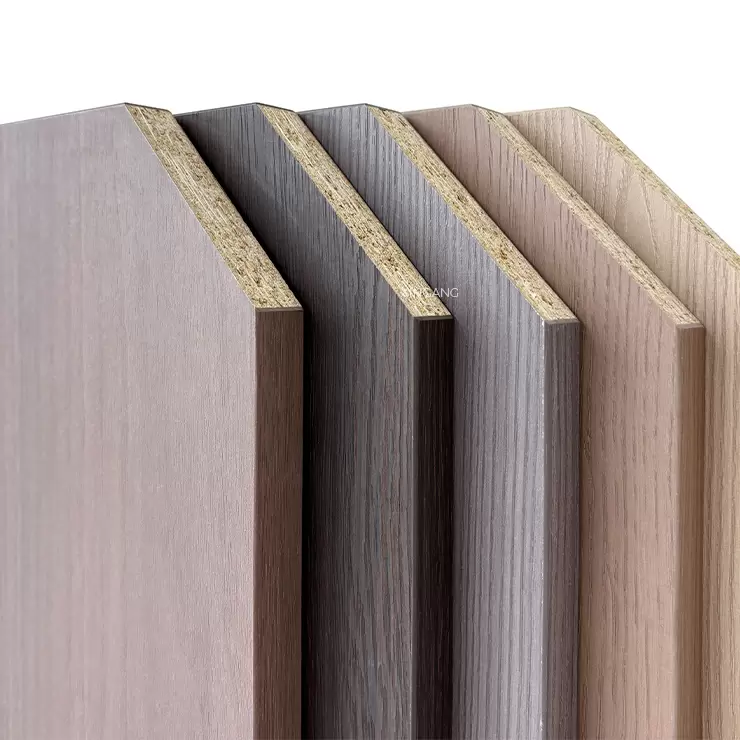
For manufacturers working with birch plywood, selecting the right panel involves more than comparing thickness and price. The material must match the intended application, processing conditions, load requirements, and environmental expectations. A panel suitable for cabinet interiors may not be the best option for exposed furniture surfaces or components requiring repeated machining. Understanding these differences helps reduce material waste, improve production consistency, and control the total cost of finished products.
Birch plywood is manufactured by bonding multiple layers of birch veneer, generally with adjacent layers arranged so that their grain directions cross. This cross-laminated structure helps distribute loads and limits the dimensional movement associated with solid wood. The number of veneer layers, veneer thickness, adhesive system, and pressing conditions all influence the finished panel's performance.
One of the most important factors is veneer quality. Uniform veneer thickness supports consistent panel construction, while defects such as large knots, splits, overlaps, and excessive gaps can affect appearance and structural integrity. The distribution of veneer defects is particularly important in applications involving CNC cutting, edge machining, and visible exposed surfaces.
Core construction also deserves attention. A well-constructed birch plywood panel should have closely bonded veneer layers without significant internal gaps or delamination. Internal voids can become visible after cutting and may reduce screw-holding performance or compromise the quality of machined edges. For furniture components with exposed edges, a consistent core structure is especially valuable because the plywood edge is often part of the finished design.
The appropriate grade depends on the visual and structural requirements of the finished product. Face veneer grades generally describe the appearance of the panel surfaces, including the presence of knots, patches, color variation, and other natural characteristics. Different markets and manufacturers may use different grading systems, so grade descriptions should always be confirmed against the supplier's technical specification and approved samples.
For premium furniture, decorative cabinetry, and visible interior surfaces, a higher face grade can reduce the amount of sanding, filling, and surface preparation required. Where the panel will be covered by laminate, veneer, paint, or another decorative material, the face requirements may be less demanding, provided the substrate is sufficiently flat and stable.
The back veneer and core should not be overlooked. A visually attractive front face cannot compensate for poor internal construction. In laminated furniture panels, for example, weak bonding or uneven thickness may cause problems during pressing and subsequent machining. The most economical grade is therefore the one that meets the complete performance requirements without unnecessary surface specifications.
Panel thickness is a critical parameter in furniture production because it affects component sizing, edge-banding settings, groove dimensions, hardware installation, and assembly accuracy. A nominal thickness of 18 mm, for example, does not guarantee that every panel measures exactly 18 mm. Actual tolerances depend on manufacturing standards, product specifications, and the supplier's process capability.
For CNC furniture production, thickness consistency is particularly important. Variations between panels can require repeated machine adjustments or create differences in finished component dimensions. When panels are used for cabinet doors, drawer components, shelving, or precision-fit assemblies, thickness control should be included in the incoming inspection plan.
Moisture content also influences dimensional stability. Wood-based panels respond to changes in surrounding humidity, and moisture variation can contribute to dimensional movement, warping, or changes in machining behavior. Panels should be stored flat, protected from direct moisture exposure, and acclimatized to the production environment when necessary. Consistent storage conditions help maintain predictable processing results.
Placajul de mesteacăn este potrivit pentru o gamă largă de procese de fabricație, inclusiv tăierea, găurirea, frezarea, șlefuirea și prelucrarea CNC. Structura sa stratificată oferă o combinație utilă de rezistență și prelucrabilitate, dar rezultatele prelucrarii depind încă de calitatea furnirului, rezistența lipirii, densitatea panoului și parametrii de tăiere.
În timpul trasării CNC, golurile interne pot cauza defecte de margine localizate sau rezultate de tăiere inegale. Straturile de furnir slab lipite se pot separa sub presiune mecanică, mai ales atunci când unealta de tăiere este tocită sau viteza de avans este nepotrivită. Marginile de tăiere curate sunt importante pentru componentele care vor primi benzi de margine sau vor rămâne expuse.
Performanța de ținere a șuruburilor este un alt aspect practic. Laturile dulapurilor, ramele de mobilier și sistemele de rafturi se bazează adesea pe elemente de fixare mecanice. Capacitatea de reținere depinde de construcția panoului, diametrul șurubului, adâncimea de penetrare, distanța la margini și direcția de încărcare. Pentru îmbinările puternic încărcate, testarea prototipului este mai fiabilă decât presupunerea că toate panourile din placaj de mesteacăn vor funcționa identic.
Selectarea adezivului afectează atât performanța panoului, cât și caracteristicile de mediu. Producția tradițională de placaj poate utiliza diferite sisteme de adeziv, în funcție de aplicația dorită, cerințele de rezistență la umiditate și reglementările aplicabile. Adezivul influențează rezistența lipirii, rezistența la umiditate și emisiile de formaldehidă.
Pentru mobilierul de interior și aplicațiile decorative, cerințele privind emisiile sunt din ce în ce mai importante. Specificații precum E1 sau alte clasificări aplicabile ale emisiilor pot fi necesare în funcție de piața de destinație și categoria de produs. Aceste clasificări ar trebui să fie susținute de rapoarte de testare relevante, mai degrabă decât să fie deduse dintr-o descriere a produsului.
Shandong Xingang Group Co., Ltd. a dezvoltat o tehnologie de materiale orientată spre mediu bazată pe adeziv biomimetic Xingang. Conform informațiilor despre produs ale companiei, acest adeziv este proiectat fără formaldehidă, benzen sau alte substanțe nocive și a fost aplicat la scară în produse, inclusiv plăci decorative biomimetice, plăci cu densitate ultra-subțire și placaj marin biomimetic. Când se evaluează aplicarea acestuia la placaj de mesteacăn sau la alte produse din panouri, trebuie să se confirme formularea specifică a produsului, performanța de lipire și documentația de testare independentă.
Un program de aprovizionare cu placaj de mesteacăn de încredere ar trebui să definească criterii de acceptare măsurabile înainte de producția în masă. Inspecția vizuală poate identifica defectele suprafeței, diferențele de culoare și deteriorarea evidentă a marginilor, în timp ce verificările dimensionale verifică lungimea, lățimea, grosimea și perpendicularitatea panoului. În funcție de aplicație, testele suplimentare pot include conținutul de umiditate, rezistența de aderență, proprietățile de îndoire și emisiile de formaldehidă.
For furniture manufacturers, a trial production run is an effective way to verify how the panels behave under actual factory conditions. The trial should cover cutting, drilling, edge finishing, surface coating, and assembly. This approach can reveal issues that may not be apparent from a small sample inspection.
The best birch plywood is not necessarily the panel with the highest face grade or the lowest purchase price. It is the material that consistently meets the requirements of the finished product and the manufacturing process. Veneer quality, core integrity, bonding performance, thickness tolerance, moisture control, and environmental compliance should all be evaluated together.
With its focus on environmentally oriented wood-based materials, Shandong Xingang Group Co., Ltd. aims to work with global partners to develop healthier and more sustainable material solutions. A systematic approach to material selection and quality verification helps furniture and interior manufacturers achieve more consistent production, reduce processing losses, and improve the reliability of finished products.